Sub-category Areas
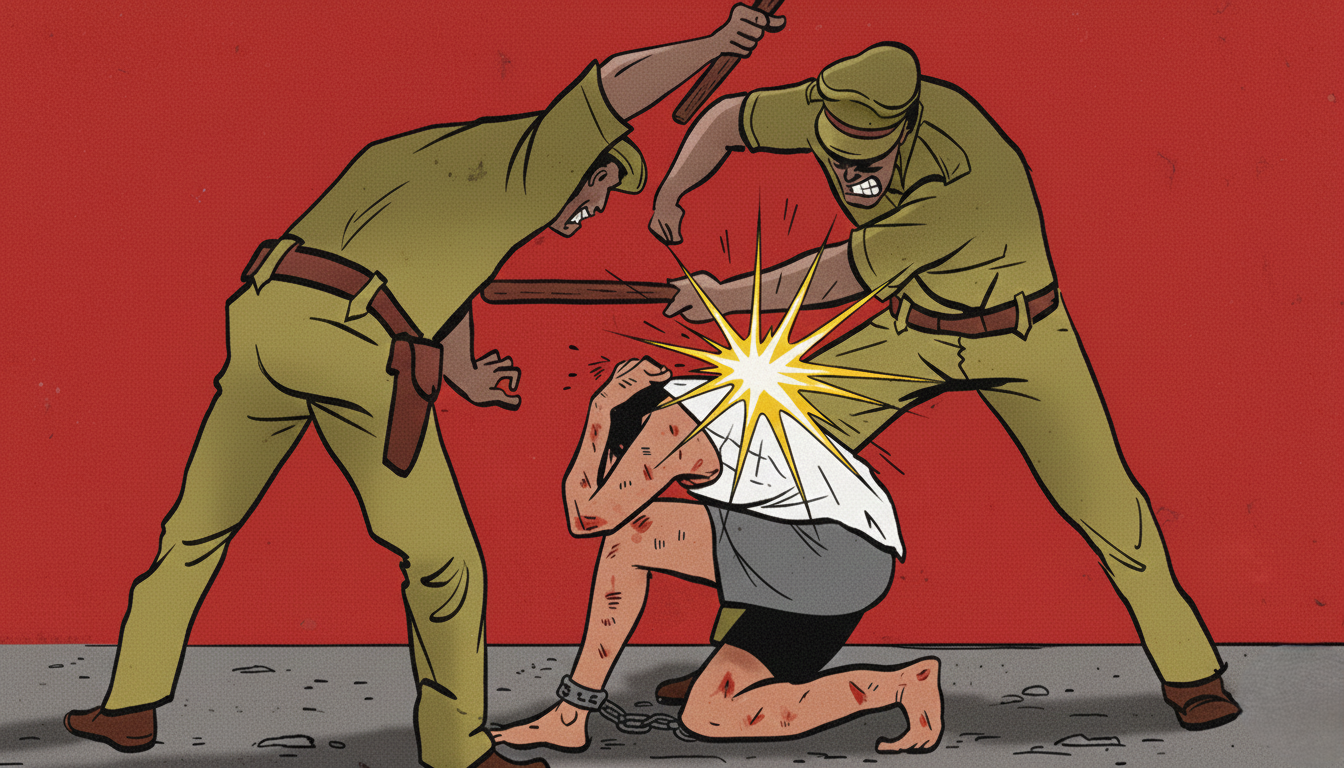
Police Abuse, Illegal Detention & Custodial Violence
Police abuse and illegal detention issues arise when individuals are unlawfully detained, harassed, or subjected to physical or mental abuse by law enforcement authorities. Such actions violate fundamental human rights and personal liberty , requiring immediate legal intervention.
Common Issues Faced
- Illegal arrest or detention without lawful grounds
- Custodial violence or physical abuse
- Harassment during inquiry or investigation
- Detention beyond legal time limits
- Denial of legal representation or medical aid
Common Mistakes People Make
- Not questioning the legality of arrest or detention
- Failing to inform family members or a lawyer
- Not documenting injuries or incidents
- Giving statements under pressure
- Delaying legal complaint or representation
How an Advocate Helps
- Examines the legality of arrest and detention
- Ensures protection of constitutional rights
- Assists in filing complaints before courts or commissions
- Seeks medical examination and legal safeguards
- Represents victims before appropriate authorities
Legal Process Involved
- Review of arrest or detention procedure
- Filing complaint or petition before court
- Inquiry by judicial or human rights authorities
- Orders for relief, protection, or compensation
Documents Required
- Details of arrest or detention
- Medical records or injury reports (*if any)
- Copy of FIR or police communication (*if available)
- Witness details (*if applicable)
- Identity proof of affected person
- Additional documents (*if required after case discussion)
Threats, Abduction & Personal Safety Matters
Threats, abduction, and personal safety matters arise when an individual’s liberty, security, or freedom of movement is endangered. Such situations may involve intimidation, unlawful confinement, missing persons, or coercive acts , requiring urgent legal protection.

Common Issues Faced
- Criminal threats or intimidation
- Abduction or unlawful confinement
- Missing person cases
- Threats to life, safety, or family members
- Coercion or force to suppress personal freedom
Common Mistakes People Make
- Ignoring repeated threats or intimidation
- Delaying reporting to authorities
- Not preserving messages, calls, or threat evidence
- Attempting private settlements in serious cases
- Not seeking legal protection at an early stage
How an Advocate Helps
- Assists in filing FIRs and urgent complaints
- Seeks police protection or court directions
- Guides in missing person or abduction cases
- Approaches courts or human rights authorities
- Ensures protection of personal liberty and safety
Legal Process Involved
- Filing of complaint or FIR
- Police inquiry or investigation
- Approach to court or human rights commission
- Orders for protection, recovery, or relief
Documents Required
- Details of threats or safety concern
- Messages, call records, or evidence (*if available)
- Complaint or FIR copy (*if any)
- Witness details (*if applicable)
- Identity proof of affected person
- Additional documents (*if required after case discussion)
Reputation, Defamation & Personal Attacks
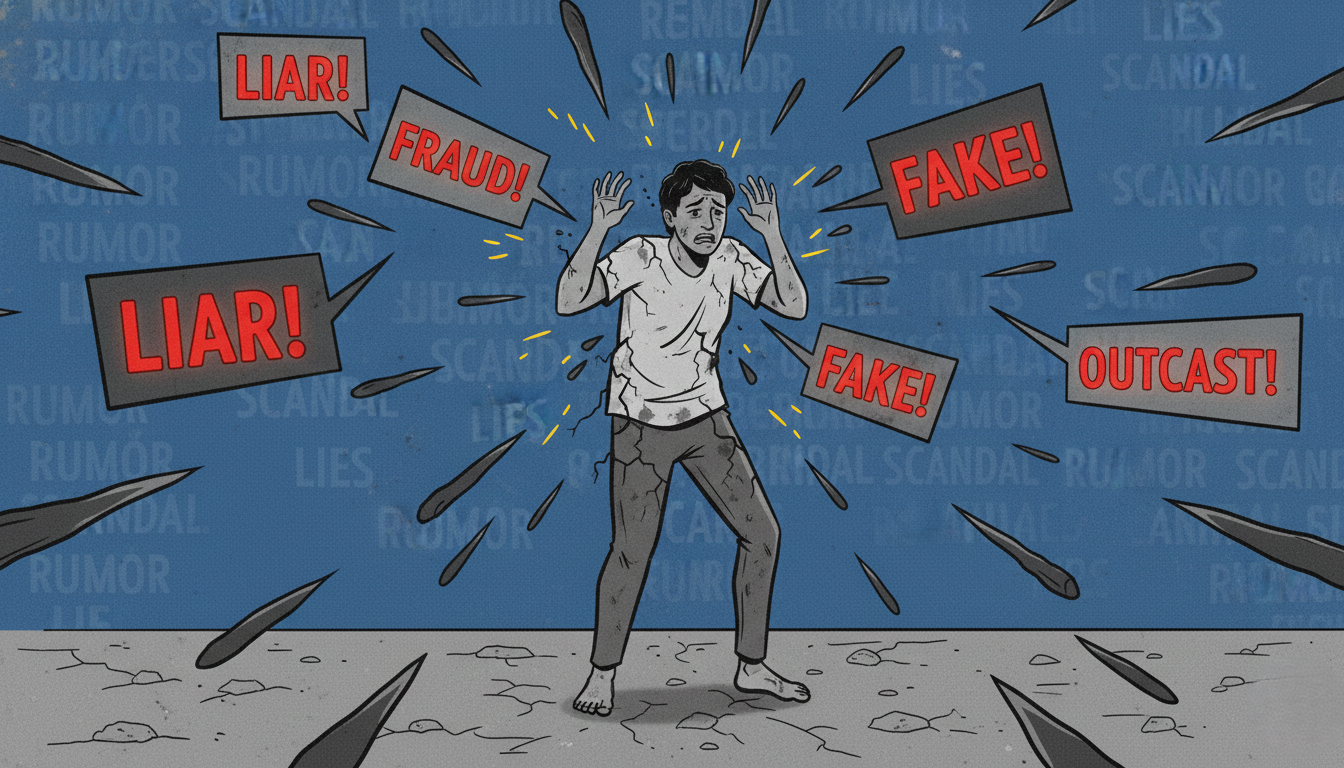
Reputation, defamation, and personal attack matters arise when false, misleading, or malicious statements harm an individual’s dignity, social standing, or professional life. Such acts may violate the right to reputation, privacy, and personal dignity , requiring appropriate legal protection.
Common Issues Faced
- False allegations damaging personal or professional reputation
- Defamatory statements made publicly or privately
- Personal attacks through words, conduct, or publications
- Character assassination affecting family or social life
- Harassment through repeated false complaints or claims
Common Mistakes People Make
- Responding emotionally or publicly to defamatory statements
- Ignoring repeated attacks hoping they will stop
- Failing to collect proof of defamatory content
- Making counter-allegations without legal advice
- Delaying legal action or complaint
How an Advocate Helps
- Assesses whether statements amount to defamation
- Advises on civil and criminal legal remedies
- Drafts legal notices or complaints
- Represents clients before courts or authorities
- Seeks protection of reputation and dignity
Legal Process Involved
- Documentation of defamatory acts or statements
- Issuance of legal notice or complaint
- Inquiry or proceedings before court or authority
- Relief by way of apology, restraint, or compensation
Documents Required
- Details of defamatory statements or personal attacks
- Messages, publications, or recordings (*if available)
- Witness details (*if applicable)
- Previous complaints or notices (*if any)
- Identity proof of affected person
- Additional documents (*if required after case discussion)
Privacy & Personal Life Interference
Privacy and personal life interference issues arise when an individual’s private space, personal choices, or confidential information are unlawfully intruded upon. Such interference may violate the right to privacy, dignity, and personal autonomy , requiring appropriate legal protection.

Common Issues Faced
- Unlawful surveillance or monitoring
- Misuse or disclosure of personal information
- Interference in personal relationships or choices
- Harassment through repeated intrusion into private life
- Public exposure of private matters without consent
Common Mistakes People Make
- Sharing personal details without safeguards
- Ignoring early signs of privacy violation
- Not preserving proof of interference
- Responding emotionally instead of legally
- Delaying legal consultation
How an Advocate Helps
- Evaluates the nature and extent of privacy violation
- Advises on constitutional and legal remedies
- Assists in filing complaints or legal notices
- Seeks restraint against further interference
- Represents clients before courts or authorities
Legal Process Involved
- Documentation of privacy interference
- Issuance of legal notice or complaint
- Inquiry or proceedings before court or authority
- Orders for protection, restraint, or relief
Documents Required
- Details of privacy violation or interference
- Messages, recordings, or other proof (*if available)
- Witness details (*if applicable)
- Previous complaints or correspondence (*if any)
- Identity proof of affected person
- Additional documents (*if required after case discussion)
Family, Property & Inheritance Rights
Family, property, and inheritance rights issues arise when individuals are unlawfully denied their lawful share, possession, or enjoyment of family or ancestral property. Such disputes may affect dignity, security, and the right to equality within the family , requiring proper legal protection.

Common Issues Faced
- Denial of inheritance or lawful share in property
- Forced separation of heirs or exclusion from family property
- Illegal possession or transfer of family assets
- Harassment related to property or succession disputes
- Discrimination in property rights within the family
Common Mistakes People Make
- Relying only on verbal family assurances
- Delaying action due to family pressure
- Not collecting property or ownership documents
- Entering unfair settlements without legal advice
- Ignoring early signs of rights violation
How an Advocate Helps
- Examines family and inheritance rights under law
- Advises on lawful share and entitlement
- Assists in resolving disputes through legal remedies
- Represents clients before courts or authorities
- Seeks protection against harassment or coercion
Legal Process Involved
- Review of property and succession rights
- Issuance of legal notice or complaint
- Proceedings before court or authority
- Relief by way of declaration, protection, or restoration
Documents Required
- Property or ownership documents (*if available)
- Family relationship proof
- Any wills, agreements, or settlement papers (*if any)
- Previous legal notices or court papers (*if applicable)
- Identity proof of affected person
- Additional documents (*if required after case discussion)
Women & Child Rights Protection
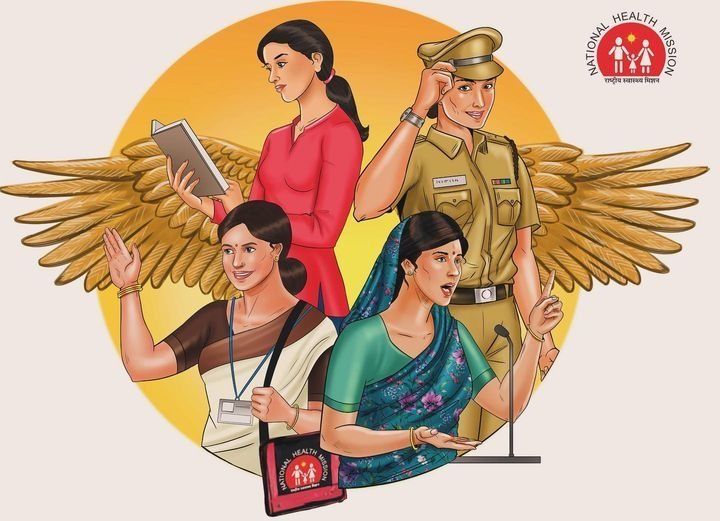
Women and child rights protection matters arise when women or children face abuse, exploitation, neglect, or denial of their basic rights. Such violations affect safety, dignity, equality, and overall well-being , requiring timely legal protection and support.
Common Issues Faced
- Domestic abuse or violence against women
- Harassment, exploitation, or coercion
- Child abuse, neglect, or abandonment
- Denial of education, care, or basic needs
- Illegal child custody or guardianship issues
Common Mistakes People Make
- Remaining silent due to fear or social pressure
- Delaying complaint or legal intervention
- Not preserving medical or incident records
- Attempting private settlements in serious cases
- Not seeking legal guidance at an early stage
How an Advocate Helps
- Guides victims on legal rights and protection
- Assists in filing complaints or FIRs
- Seeks protection orders or immediate relief
- Represents clients before courts or authorities
- Ensures safety, dignity, and lawful remedies
Legal Process Involved
- Filing of complaint or legal application
- Inquiry or investigation by authorities
- Proceedings before court or child welfare bodies
- Orders for protection, care, or relief
Documents Required
- Details of incident or rights violation
- Medical reports or records (*if available)
- Complaint or FIR copy (*if any)
- Child or family-related documents (*if applicable)
- Identity proof of affected person or guardian
- Additional documents (*if required after case discussion)
Discrimination & Equality Rights
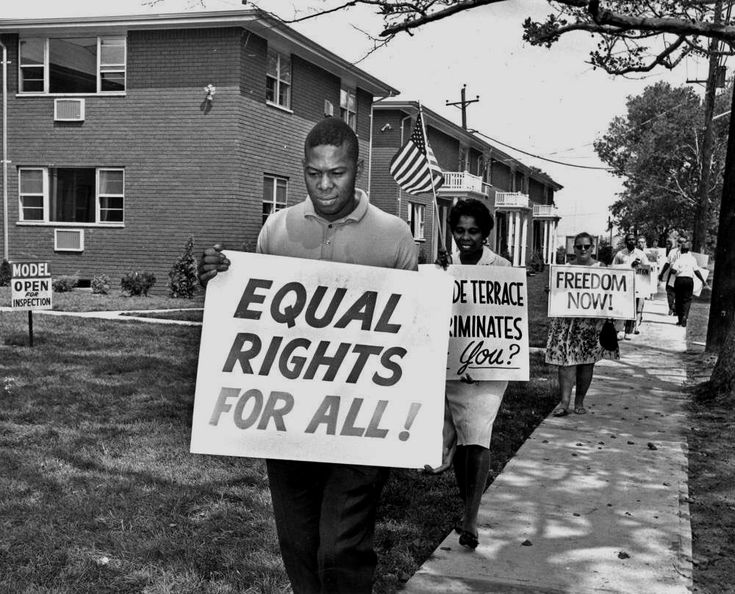
Discrimination and equality rights issues arise when individuals are treated unfairly or denied equal opportunities based on personal or social identity. Such actions may violate the right to equality, dignity, and equal protection of law , requiring appropriate legal intervention.
Common Issues Faced
- Discrimination based on caste, gender, religion, or disability
- Unequal treatment in employment, education, or services
- Harassment or exclusion due to social identity
- Denial of access to public facilities or benefits
- Bias or unfair action by authorities or institutions
Common Mistakes People Make
- Accepting discriminatory treatment as normal
- Not documenting incidents or collecting proof
- Delaying complaint due to fear or pressure
- Relying only on verbal assurances
- Not seeking legal advice at an early stage
How an Advocate Helps
- Assesses whether conduct amounts to discrimination
- Advises on constitutional and legal remedies
- Assists in filing complaints or legal proceedings
- Represents clients before courts or authorities
- Seeks enforcement of equality and non-discrimination rights
Legal Process Involved
- Documentation of discriminatory acts
- Filing of complaint or legal application
- Inquiry or proceedings before authority or court
- Orders for relief, protection, or corrective action
Documents Required
- Details of discriminatory act or incident
- Messages, notices, or records (*if available)
- Witness details (*if applicable)
- Previous complaints or correspondence (*if any)
- Identity proof of affected person
- Additional documents (*if required after case discussion)
Right to Life, Dignity & Human Treatment
Right to life, dignity, and human treatment issues arise when individuals are subjected to inhuman, degrading, or unfair treatment that affects their basic existence and self-respect. Such violations strike at the core of fundamental human rights and personal dignity , requiring urgent legal protection.
Common Issues Faced
- Inhuman or degrading treatment by authorities or institutions
- Custodial death or serious harm
- Denial of basic medical care or necessities
- Use of excessive force or cruel practices
- Violation of dignity through unlawful actions
Common Mistakes People Make
- Accepting inhuman treatment out of fear or helplessness
- Not documenting injuries or incidents
- Failing to seek medical or legal help promptly
- Remaining silent due to pressure or intimidation
- Delaying complaint or legal action
How an Advocate Helps
- Examines violations of the right to life and dignity
- Assists in filing petitions or complaints
- Seeks accountability and lawful remedies
- Represents victims before courts or authorities
- Ensures protection against further inhuman treatment
Legal Process Involved
- Documentation of rights violation
- Filing complaint or constitutional petition
- Inquiry by court or human rights authority
- Orders for protection, relief, or compensation
Documents Required
- Details of incident affecting life or dignity
- Medical reports or injury records (*if available)
- Complaint or FIR copy (*if any)
- Witness details (*if applicable)
- Identity proof of affected person
- Additional documents (*if required after case discussion)
Freedom of Speech, Expression & Social Rights
Freedom of speech, expression, and social rights issues arise when individuals are restricted, punished, or harassed for expressing lawful opinions or participating in social activities. Such actions may affect democratic rights, personal liberty, and social participation , requiring appropriate legal protection.

Common Issues Faced
- Restrictions on lawful speech or expression
- Harassment for opinions shared publicly or privately
- Suppression of peaceful protest or assembly
- Social or community pressure to silence views
- Unfair action for exercising lawful social rights
Common Mistakes People Make
- Self-censoring due to fear or pressure
- Not documenting incidents of suppression
- Responding emotionally instead of legally
- Ignoring early violations of expression rights
- Delaying legal consultation
How an Advocate Helps
- Assesses violations of speech and expression rights
- Advises on constitutional and legal safeguards
- Assists in filing complaints or legal petitions
- Represents clients before courts or authorities
- Seeks protection against unlawful restrictions
Legal Process Involved
- Documentation of restriction or interference
- Filing complaint or constitutional petition
- Inquiry or hearing before authority or court
- Orders for protection, relief, or restoration
Documents Required
- Details of speech or social rights violation
- Messages, notices, or records (*if available)
- Witness details (*if applicable)
- Previous complaints or correspondence (*if any)
- Identity proof of affected person
- Additional documents (*if required after case discussion)
Prisoner, Undertrial & Detention Rights
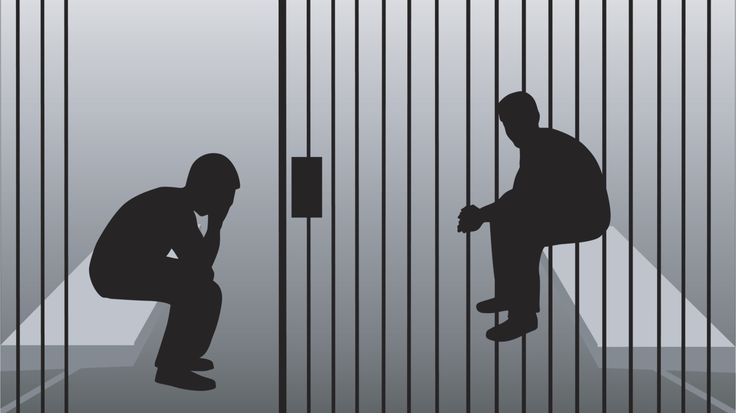
Prisoner, undertrial, and detention rights issues arise when individuals in custody are denied lawful treatment, fair process, or basic human dignity. Such violations may affect liberty, health, and access to justice , requiring timely legal intervention.
Common Issues Faced
- Illegal or prolonged detention without trial
- Delay in bail or denial of legal representation
- Inhuman jail conditions or overcrowding
- Denial of medical care or basic facilities
- Abuse or harassment while in custody
Common Mistakes People Make
- Assuming detention conditions cannot be challenged
- Not informing family or lawyer immediately
- Failing to document ill-treatment or neglect
- Delaying bail or legal remedies
- Not seeking human rights protection
How an Advocate Helps
- Ensures protection of prisoner and undertrial rights
- Assists in bail applications and legal remedies
- Challenges illegal detention or custodial abuse
- Approaches courts or human rights authorities
- Seeks humane treatment and lawful safeguards
Legal Process Involved
- Review of detention or custody status
- Filing of bail, petition, or complaint
- Inquiry by court or human rights body
- Orders for release, protection, or relief
Documents Required
- Details of arrest, detention, or custody
- FIR, remand, or court orders (*if available)
- Medical records (*if applicable)
- Jail or custody-related documents (*if any)
- Identity proof of detainee or family member
- Additional documents (*if required after case discussion)
Victim Rights, Compensation & Legal Remedies
Victim rights and compensation matters arise when individuals suffer harm due to unlawful acts and seek recognition, protection, and fair relief. The law provides remedies to ensure dignity, support, and just compensation for victims , requiring timely legal guidance.

Common Issues Faced
- Denial or delay of victim compensation
- Lack of information about legal remedies
- Failure to receive support or protection
- Non-consideration of victim impact in proceedings
- Difficulty accessing rehabilitation or relief
Common Mistakes People Make
- Not applying for compensation within time limits
- Assuming relief is automatic without legal steps
- Failing to document losses or harm suffered
- Not following up with authorities
- Delaying legal consultation
How an Advocate Helps
- Explains victim rights and available remedies
- Assists in filing compensation claims
- Seeks interim relief and protective measures
- Represents victims before courts or authorities
- Ensures access to rehabilitation and support
Legal Process Involved
- Assessment of victim status and harm
- Filing of compensation or relief application
- Inquiry or proceedings before authority or court
- Orders for compensation, support, or remedies
Documents Required
- Details of incident and harm suffered
- Medical, financial, or loss records (*if available)
- Complaint, FIR, or court papers (*if any)
- Proof of expenses or impact (*if applicable)
- Identity proof of victim
- Additional documents (*if required after case discussion)
Human Rights Complaints & Commission Proceedings
Human rights complaint and commission proceedings arise when individuals approach statutory bodies for redressal of violations of basic human rights. These forums provide oversight, inquiry, and recommendations for relief and accountability , making proper legal guidance important.

Common Issues Faced
- Filing complaints before Human Rights Commissions
- Delay or non-action on human rights complaints
- Improper inquiry or lack of follow-up
- Need for representation during commission proceedings
- Understanding jurisdiction and procedure
Common Mistakes People Make
- Filing incomplete or unclear complaints
- Missing limitation or procedural requirements
- Not attaching relevant supporting documents
- Assuming commissions act automatically without follow-up
- Not seeking legal guidance for serious violations
How an Advocate Helps
- Drafts and files human rights complaints properly
- Advises on jurisdiction and appropriate forum
- Represents complainants during commission hearings
- Assists in follow-up and compliance of recommendations
- Guides on further legal remedies if required
Legal Process Involved
- Filing of complaint before Human Rights Commission
- Preliminary scrutiny and registration
- Inquiry, hearing, or report by authorities
- Recommendations, relief, or further legal action
Documents Required
- Details of human rights violation
- Complaint or representation (*if already filed)
- Supporting records or evidence (*if available)
- Orders, notices, or responses (*if any)
- Identity proof of complainant
- Additional documents (*if required after case discussion)